Most language learners hit a wall when they try to trace words back through time. You’ve memorized verb conjugations, nailed IPA transcription—but still can’t explain why “father” and “pater” sound hauntingly alike. That’s because mainstream courses skip the engine room of language: historical change. A solid historical linguistics online course isn’t just academic—it’s your decoder ring for 6,000 years of human speech.
Why traditional language learning fails with historical depth
Textbook grammar drills teach you to speak—not to reconstruct. And that’s fatal if you care about origins. Standard curricula treat language as static, frozen in modern usage. But real linguistic evolution is messy, nonlinear, riddled with exceptions that only make sense through comparative method and sound law analysis.
Think about it: Sanskrit, Latin, and Old English weren’t taught in isolation. They bled into each other across trade routes, conquests, and migrations. Without a framework grounded in philology and diachronic analysis, you’re left guessing at patterns that experts map systematically.

How to master historical linguistics—step by step
Forget passive video lectures. Real progress comes from doing—comparing cognates, applying Grimm’s Law, testing hypotheses against attested forms. Here’s how to build expertise without a PhD:
Start with phonetic correspondences, not vocabulary lists
Memorizing roots won’t help if you don’t see *how* /p/ became /f/ in Germanic (e.g., Latin pater → English father). Train your ear on regular sound shifts first.
Use open corpora—not textbooks alone
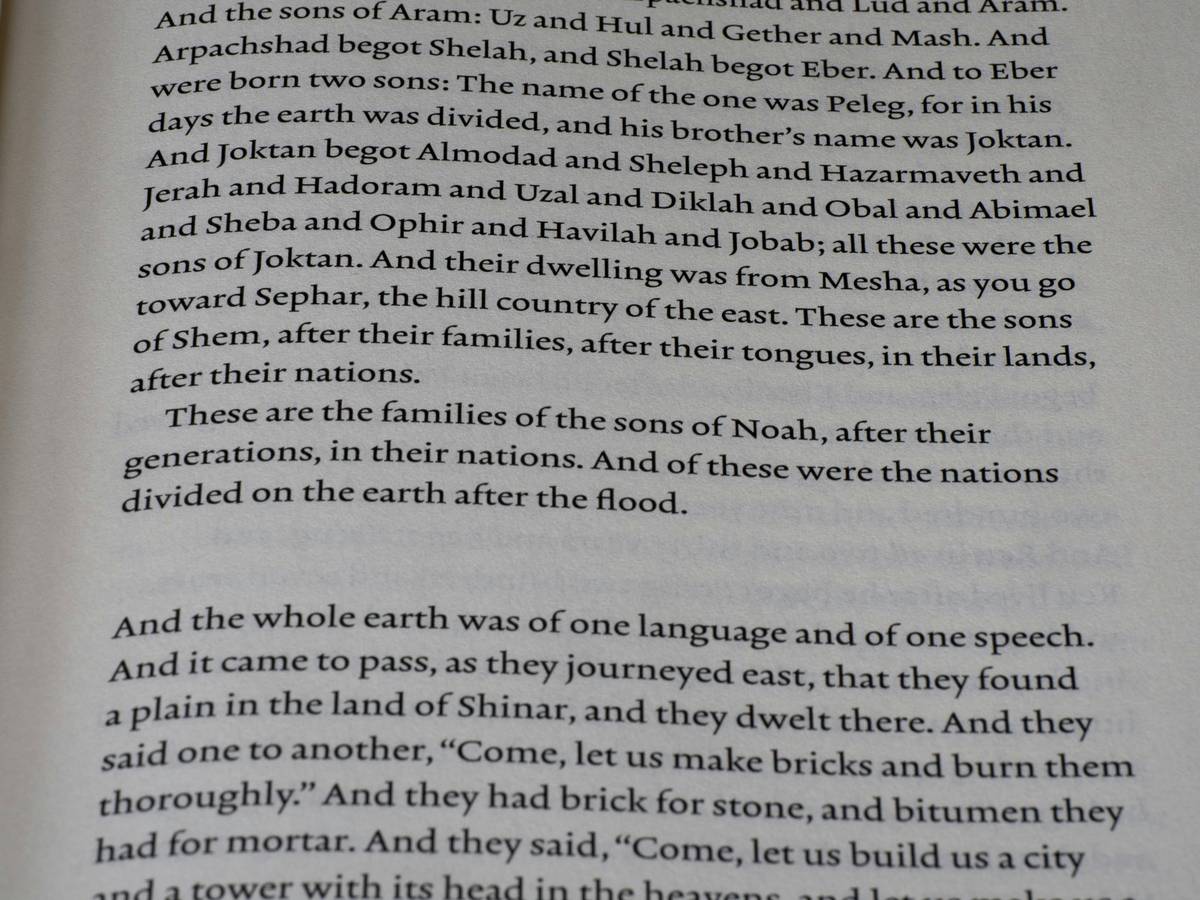
Dig into the Tower of Babel database or Perseus Digital Library. Raw data beats curated summaries every time. Spot irregularities yourself. That’s where insight hides.
Track morphosyntactic erosion over centuries
Case systems collapse. Verbs lose tense markers. Watch Latin’s six cases whittle down to French’s two (or zero). This isn’t decay—it’s efficiency in action.
| Learning Method | Time Required | Cost | Primary Skill Built |
|---|---|---|---|
| University grad seminar | 14 weeks | $4,500+ | Theoretical fluency |
| Self-guided corpus study | 8–12 months | $0 | Analytical pattern recognition |
| Historical linguistics online course (structured + project-based) | 6–10 weeks | $199–$349 | Applied reconstruction skills |
The industry secret: most “etymology” content is dangerously oversimplified
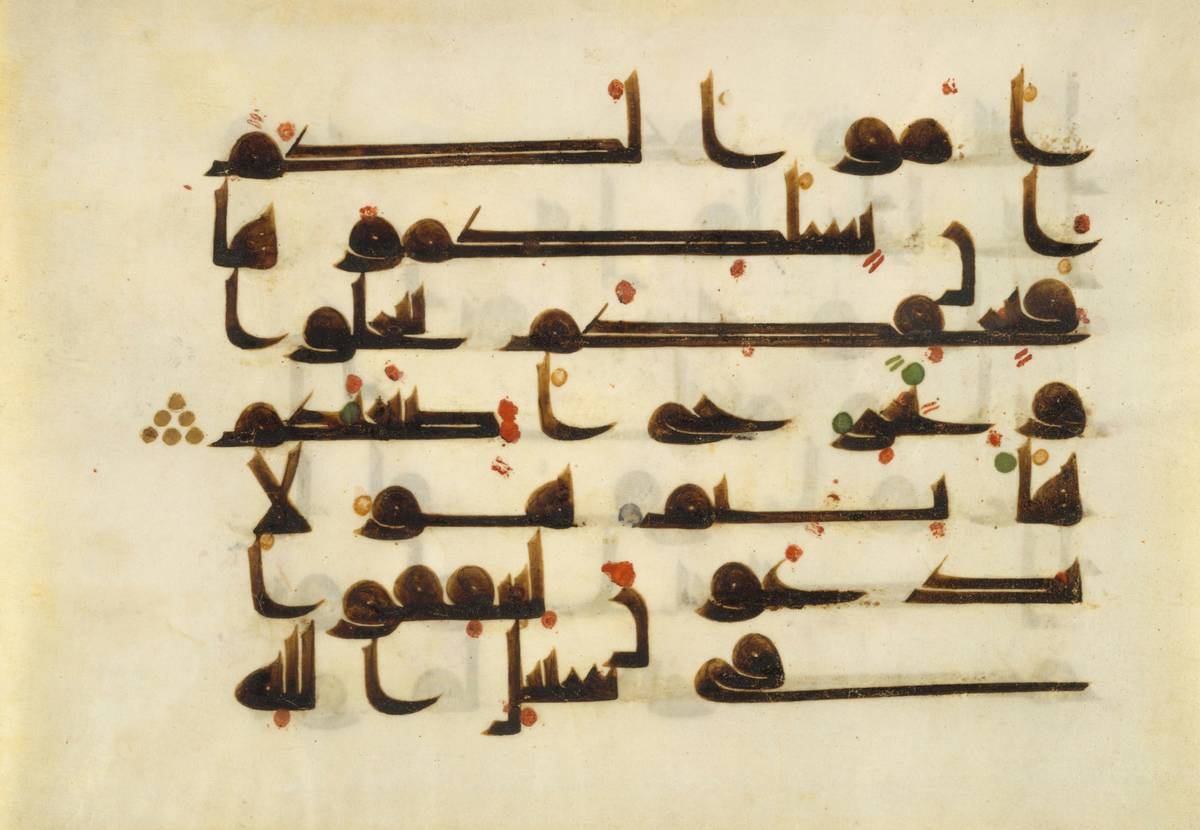
Here’s the reality—YouTube etymologists love clean origin stories. “This word came from that.” But real historical linguistics thrives in ambiguity. Take “alcohol”: Arabic al-kuḥl, yes—but it originally meant “finely powdered antimony,” not liquor. Semantic drift is chaotic, often undocumented. A credible historical linguistics online course teaches you to sit with uncertainty, weigh competing hypotheses, and avoid folk etymologies disguised as fact.
And professional linguists rarely admit this: half the reconstructions in textbooks are educated guesses. The rest? Informed speculation backed by cross-language consistency. Your job isn’t to memorize answers—it’s to learn how to falsify bad ones.
Frequently Asked Questions
Can I take a historical linguistics online course without prior linguistics knowledge?
Yes—if it starts with phonetics and the International Phonetic Alphabet. Avoid courses that dive straight into Proto-Indo-European without foundational training.
How is this different from an etymology course?
Etymology traces single words. Historical linguistics studies systemic change—sound laws, syntactic shifts, language contact—with scientific rigor.
Will this help me learn modern languages faster?
Absolutely. Recognizing Latin or Germanic roots across Romance or Germanic languages builds intuitive decoding skills. You’ll spot cognates instantly.