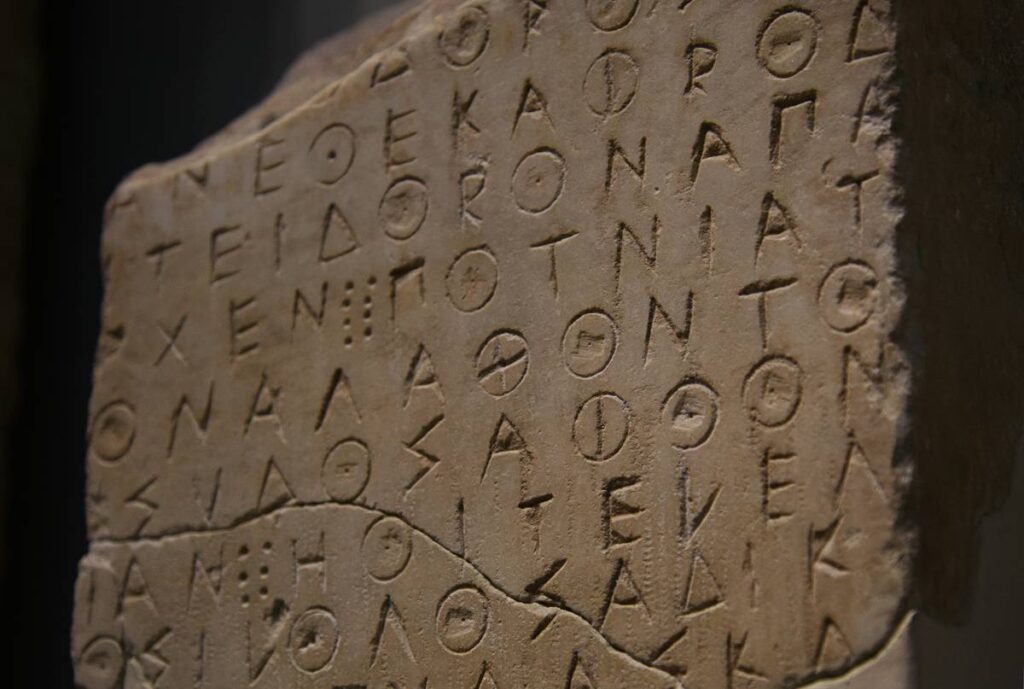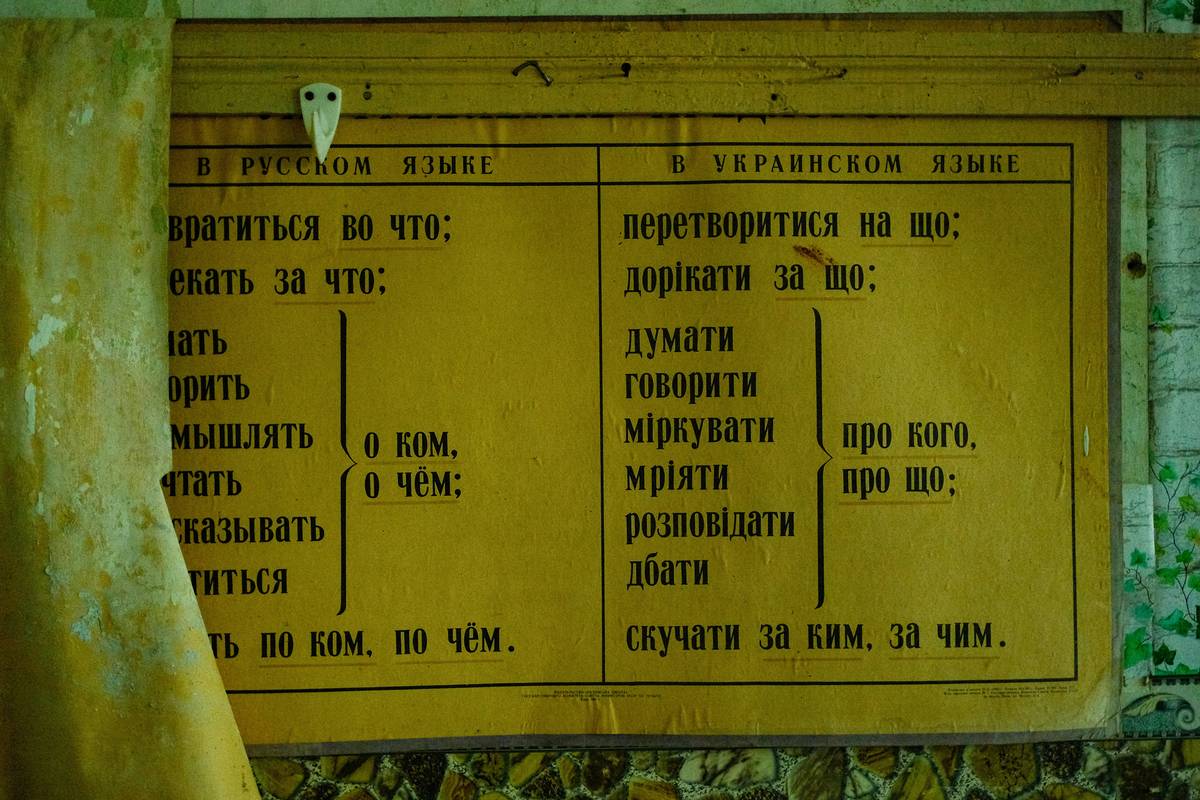
Most people think linguistic history begins with written records. That’s a trap. The real story starts thousands of years earlier—with sounds that left no paper trail. And if you’re trying to understand how languages evolved using only modern dictionaries or Google Translate, you’re chasing ghosts. The key? Reconstructing what never existed in writing: the mother tongue of half the world.
Why Traditional Language Genealogy Fails
Linguists love family trees. But language doesn’t split like clean branches—it bleeds, borrows, and mutates under pressure. Standard comparative methods assume regular sound shifts. Reality? Conquest, trade, and migration scramble everything. You end up forcing data into neat boxes that never fit.
And here’s the kicker: most online courses on historical linguistics still teach 19th-century reconstruction techniques—as if we haven’t mapped ancient DNA or analyzed substrate influences from lost cultures. The gap between academic theory and digital-age evidence is widening fast.

How to Actually Trace Proto-Indo-European Roots—Step by Step
Forget memorizing Grimm’s Law. Real reconstruction today blends computational models, archaeolinguistics, and cross-disciplinary forensics. Here’s how serious researchers do it now:
Start with Core Vocabulary Stability
Not all words are equal. Kinship terms, body parts, and basic verbs resist borrowing. Focus there. Compare “mother,” “water,” “to die” across Sanskrit, Latin, Old Irish, Hittite—not English and Spanish, which share too much recent overlap.
Cross-Check with Non-Linguistic Evidence
Archaeology tells us when wheeled vehicles appeared (~3500 BCE). If a language has a native word for “axle” or “yoke,” it likely split after that innovation. No axle word? Probably pre-wheeled—and thus older than assumed.
Apply Bayesian Phylogenetics
This isn’t just counting cognates. Modern tools like BEAST2 model language divergence as probabilistic events—factoring in known migration waves, climate shifts, and even plague outbreaks. It’s messy. It’s human. And it works.
| Method | Accuracy for Deep Time | Data Required | Limitations |
|---|---|---|---|
| Classical Comparative Method | Moderate (≤4,000 years) | Written texts, cognate lists | Fails with heavy contact; assumes linear splits |
| Computational Phylogenetics | High (up to 8,000 years) | Lexical databases, calibration points | Requires expert-coded semantic stability |
| Archaeolinguistic Triangulation | Very High (contextual) | Archaeological layers, loanword strata, genetic data | Interdisciplinary—hard to scale without collaboration |

The Industry Secret: Linguists Are Quietly Ditching “Proto-Indo-European” as a Single Entity
Here’s what textbooks won’t tell you: there may never have been one monolithic PIE. Leading scholars like David Anthony and Guus Kroonen now argue for a dialect continuum—a network of mutually intelligible speech varieties stretching from the Pontic-Caspian steppe to Anatolia.
Think of it like American English vs. Australian English today. Same root. Drifting apart. But still overlapping at the edges. The “proto-language” wasn’t spoken in one village by one tribe. It was a fluid zone of communication—shaped more by seasonal migration than fixed borders. And this changes everything about how we date splits, assign innovations, and even define what counts as “Indo-European.”
The math is simple: if your model assumes a single origin point, you’ll force-fit evidence. If you allow for a cloud of variation, anomalies suddenly make sense.
Frequently Asked Questions
What is Proto-Indo-European?
It’s the reconstructed common ancestor of languages from English to Sanskrit, spoken roughly 4500–2500 BCE—not as one uniform tongue, but as a dialect network across Eurasia.
Can we ever prove PIE existed?
Not directly—we have zero written records. But systematic sound correspondences (like Latin p → Germanic f) and shared core vocabulary strongly support a common source.
Why does linguistic history matter today?
Because language shapes identity, law, and cognition. Understanding how words mutated reveals how humans adapted ideas across cultures—and why some concepts resist translation.