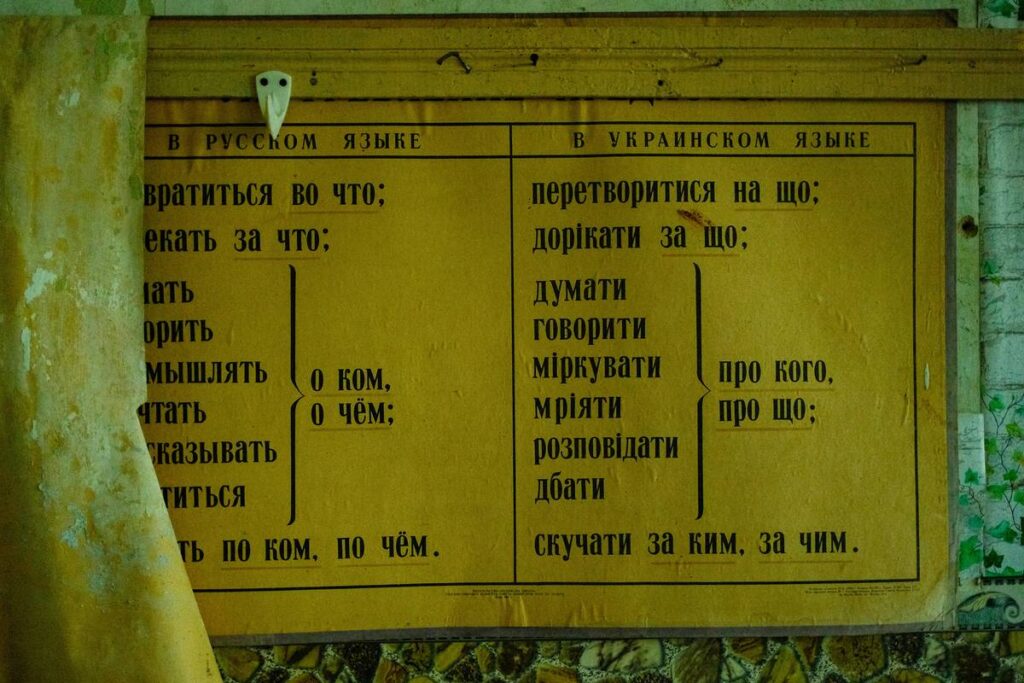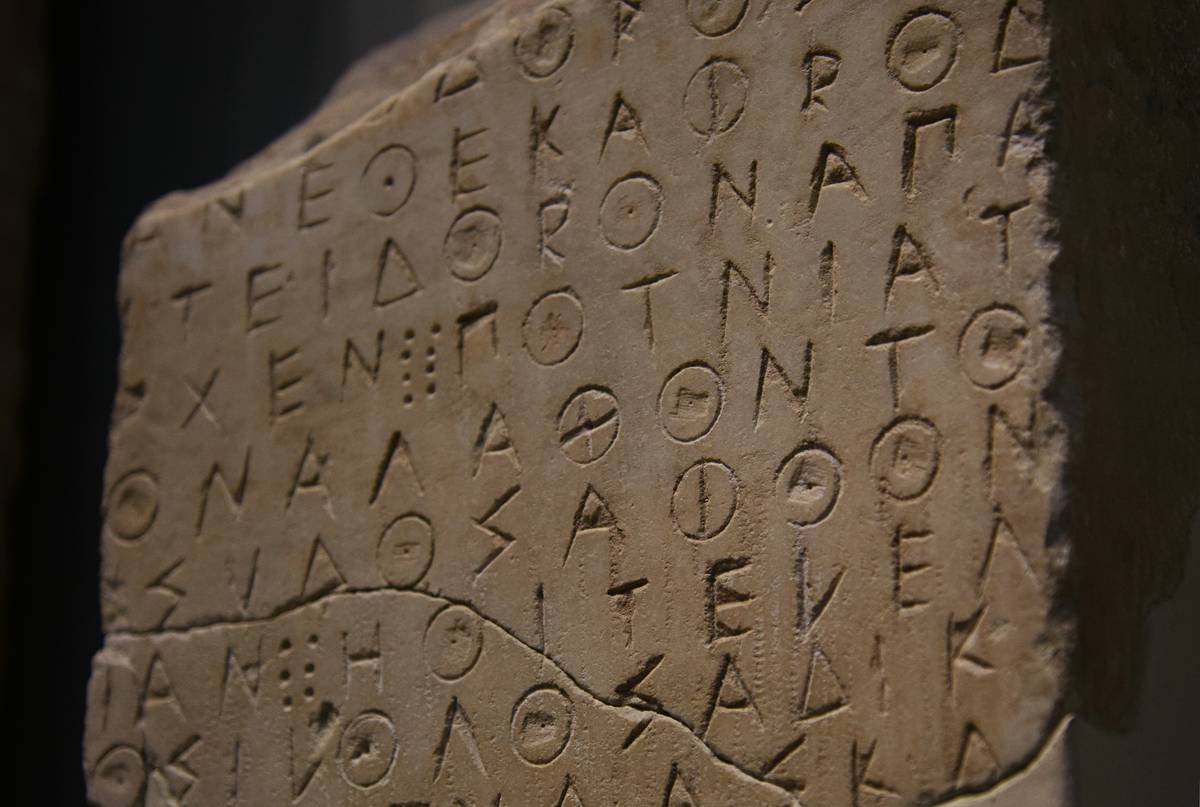
Most people think reconstructing ancient languages is like solving a jigsaw puzzle with all the pieces missing. They’re not wrong—but they’re also not asking the right questions. The real problem? We treat proto-languages as static artifacts, not living systems shaped by migration, conquest, and sheer human improvisation. Here’s how to cut through the noise and trace language roots without falling for textbook myths.
Why Traditional Proto-Language Reconstruction Fails
Linguists love the comparative method—line up cognates, spot sound shifts, project backwards. Clean. Academic. Flawed. It assumes speakers of Proto-Indo-European or Proto-Bantu spoke uniformly across millennia. They didn’t. Dialects splintered faster than empires rose. And borrowing? Rampant. Yet most models treat loanwords as “noise” instead of data points.
The result? Over-engineered family trees that collapse under real-world complexity. You can’t map linguistic evolution without geography, politics, or contact zones. Ignore that—and you’ll mistake coincidence for inheritance.
linguistic history historical how did proto: A Practical Reconstruction Framework
Forget chasing a “pure” proto-language. Start with what actually survives: irregular verbs, taboo words, nursery rhymes. These resist borrowing and shift slower. Anchor your analysis there.
Map Sound Changes Against Migration Routes
Sound laws aren’t universal—they’re local. When the Hittites split from other Indo-Europeans, their /k/ stayed hard while others softened it. That’s not magic; it’s terrain. Mountain barriers = slower change. River valleys = rapid diffusion. Overlay archaeological evidence. Always.
Track Semantic Drift in High-Frequency Words
The word for “dog” in Proto-Uralic likely meant “wolf.” Why? Domestication timelines. Words bend to culture. If your reconstruction ignores societal context—you’re just moving symbols around.
Leverage Non-Linguistic Evidence
Pollen records. Pottery styles. Horse domestication dates. All constrain when certain vocabulary *had* to exist. No wheeled vehicles before 3500 BCE? Then “wheel” isn’t in early PIE. Period.
| Method | Strengths | Blind Spots | Best For |
|---|---|---|---|
| Comparative Method | Identifies regular sound correspondences | Ignores dialect continua & contact effects | Deep-time splits (e.g., Indo-European) |
| Computational Phylogenetics | Models uncertainty statistically | Assumes tree-like divergence (rarely true) | Hypothesis testing with large datasets |
| Contact-Aware Reconstruction | Integrates borrowing & convergence | Data-hungry; needs robust etymologies | Areal zones (e.g., Balkans, Mesoamerica) |

The Industry Secret: Proto-Languages Were Never Spoken
Here’s the uncomfortable truth no textbook admits: Proto-Indo-European wasn’t a language anyone ever spoke fluently. It’s a statistical chimera—a midpoint averaged across centuries of variation. Think of it like “average human DNA.” Useful for comparison. Biologically unreal.
And that’s okay. What matters isn’t the phantom ancestor—it’s the *process* of divergence. Focus on contact scenarios: Who traded with whom? Whose kids grew up bilingual? That’s where real linguistic history lives. Not in neat trees—but messy webs.
FAQ
How do linguists reconstruct proto-languages without written records?
By comparing descendant languages’ vocabulary, grammar, and sounds—then applying known principles of language change to reverse-engineer likely ancestral forms.
Is Proto-Indo-European proven to exist?
Not as a single spoken language. But the systematic similarities across Indo-European languages strongly imply a common prehistoric source—whether unified or dialectally diverse.
Why can’t we reconstruct languages older than 8,000 years?
Lexical replacement erases core vocabulary over time. Beyond 8–10 millennia, signal degrades into noise—unless reinforced by archaeology or genetics.